
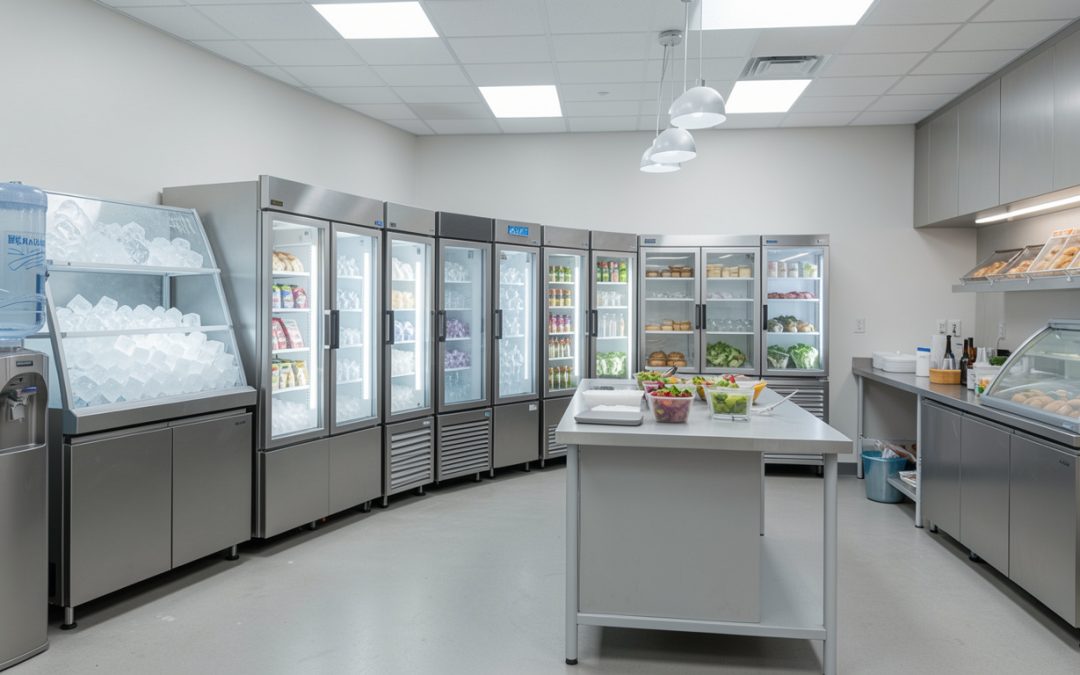
Most new restaurant owners start their equipment list from the menu, and that is the right instinct. What usually goes wrong is everything around the menu: where food is stored before it is cooked, how it moves across the kitchen, and how plates come back to be washed. A kitchen that cooks well but stores and washes badly slows down every service.
This guide walks through a commercial kitchen equipment list section by section, in the order food actually moves through a restaurant. Use it as a checklist, then adjust quantities to your menu, seating and opening hours.
Start with the menu and the number of covers
Before you list a single machine, write down three things: the dishes you will serve, how many plates you expect to send out at peak hour, and how many hours the kitchen will run each day. A 40-seat South Indian restaurant serving tiffin all day needs a very different line from a 120-seat multi-cuisine restaurant that is busiest at dinner.
These numbers decide burner count, refrigeration volume and dishwasher capacity. Buying without them is how restaurants end up with an oversized oven that sits idle and a chiller that is full by noon.
1. Receiving and cold storage
Everything starts at the back door. Vegetables, dairy, meat and dry stores need a home the moment they arrive, and FSSAI’s Schedule 4 hygiene requirements expect licensed food businesses to keep food at safe temperatures throughout storage and preparation.
- Vertical chillers for bulk storage of vegetables, dairy and prepared bases.
- Deep freezers for frozen stock, meat and seafood.
- A walk-in cold room only if your volume is high, for example a large restaurant, hotel or catering unit.
- Stainless steel storage shelving for dry goods, kept off the floor.
Plan cold storage for your busiest day, not an average day. Overloaded chillers struggle to hold temperature, and that is a food safety problem as much as an equipment one.
2. Preparation area
Prep is where most kitchen hours are spent, yet it is often the most under-planned area. At a minimum you will need:
- Stainless steel preparation tables, with separate surfaces for raw and cooked food.
- Under-counter chillers so cooks can keep the day’s mise en place within reach instead of walking to the store every few minutes.
- Sinks for washing vegetables and a separate hand-wash point.
- Prep machines such as a heavy-duty blender or planetary mixer, depending on the menu.
Under-counter chillers and freezers are one of the most useful purchases in a small kitchen because they double as a work surface and a cold store.
3. Cooking line
The cooking line is where the menu shows up most clearly. Typical items include:
- Cooking ranges: table-top cooking ranges suit smaller kitchens and cafes; floor-standing ranges suit high-volume lines.
- Bulk cooking stoves for rice, sambar, biryani and gravies made in large vessels. An industrial bulk cooking stove is standard in South Indian kitchens, canteens and caterers.
- Hot plates or griddles for dosa, parotta and grills.
- Deep fryers if fried snacks or starters are a big part of the menu.
- Ovens: a combi or convection oven for multi-cuisine menus, a pizza oven for pizza, and so on.
Decide early whether the line will be gas, induction or a mix. That choice affects your LPG bank, electrical load and ventilation, which are much harder to change after the kitchen is built.
4. Holding and service
Between the line and the dining room, food needs to stay hot or cold until it is served. Bain-maries, a hot holding cabinet or a refrigerated counter keep the pass organised. If you run a buffet or live counter, plan it now rather than borrowing space from the cooking line later.
5. Dishwashing
Dishwashing is the section owners most often leave until last, and it is the one that most often causes a bottleneck at peak. Commercial dishwashers are rated by how many racks they wash per hour, so match the machine to the plates, glasses and utensils you expect to turn over.
- An under-counter glasswasher for bars and cafes.
- A hood-type dishwasher for most mid-size restaurants.
- A conveyor dishwasher for hotels, canteens and very high-volume restaurants.
Leave space for a pre-rinse sink and for dirty and clean dish tables on either side of the machine.
What to buy first, and what can wait
If budget is tight, prioritise equipment that directly affects food safety and service speed: cold storage, prep tables, the main cooking line and dishwashing. Specialised items such as a second fryer, a dessert station or a coffee machine can follow once you have real sales data.
Common mistakes to avoid
- Buying before the layout is fixed. Equipment that does not fit the space, utilities or workflow is expensive to move.
- Ignoring utilities. Check gas, power, water inlets and drainage for every machine before ordering.
- Using domestic fridges. They are not built for the door openings and heat of a commercial kitchen.
- Forgetting service and spares. Ask who will service the equipment and how quickly.
Setting up a restaurant kitchen in Coimbatore
Restaurants in busy areas such as Gandhipuram, RS Puram and Race Course often work with compact kitchens and long service hours, so space-saving refrigeration and an efficient cooking line matter more than extra machines. Lakshmi Equipments supplies and supports restaurant kitchens across Coimbatore city, Coimbatore South and nearby markets including Tiruppur.
Frequently asked questions
What is the most important equipment for a new restaurant kitchen?
Cold storage, preparation tables, the main cooking range and a dishwasher. These four areas decide food safety and how fast you can serve.
Should I choose gas or induction for a new restaurant?
It depends on your menu, power supply and budget. Many kitchens use a mix, with induction for bulk cooking and gas for high-heat tasks. Decide before construction, because it changes utility planning.
How do I decide the size of my refrigeration?
Base it on your busiest day’s stock, delivery frequency and menu. A supplier can help you calculate this from your purchase list.
Plan your restaurant kitchen with Lakshmi Equipments
Looking for a complete restaurant setup? Browse our commercial kitchen equipment range, from cooking ranges and bulk cooking stoves to under-counter chillers and dishwashers, or contact the Lakshmi Equipments team to plan equipment around your menu and space.